
10 Things to Do This Summer to Build a Childhood Full of Play, Adventure, and Connection
Summer does not need to be perfectly planned to become deeply memorable.
In fact, many of the experiences children remember most are surprisingly simple: riding bikes until dark, neighborhood games that organically form, camping in the backyard, popsicles after sprinklers, creek exploration, card games during thunderstorms, and feeling just a little more free than usual.
At PlayFree, we believe summer can become something increasingly rare in modern childhood: a season defined by independence, creativity, friendship, healthy risk-taking, boredom, imagination, and real-world adventure.
Not every family has the same resources, schedule, or flexibility. That’s okay. The goal is not perfection. The goal is intentionality.
In no particular order, here are ten ideas to help shape a summer that children will genuinely remember.
1. Create a Weekly Neighborhood Gathering
Pick one evening every week — maybe Wednesdays at 7pm — and simply invite neighbors to gather at a local park, cul-de-sac, field, or overlook.
No agenda required.
Adults chat. Kids roam. Younger children join pickup games. Older kids linger awkwardly at first and then eventually create their own social world. Bring folding chairs, frisbees, soccer balls, chalk, snacks, or nothing at all.
The consistency matters more than the programming.
Communities used to form naturally around unstructured time. Increasingly, they need a little intentional help.
2. Turn Off the Internet at Night
One of the simplest ways to reshape a household is to change what’s available.
Consider:
setting your modem to automatically disconnect after 9pm,
using a timed outlet,
enabling router scheduling,
or, for the adventurous families: create a “Night Without Power” on a warm summer evening.
Flip the breaker. Light candles. Play cards. Sit outside. Tell stories. Listen to the quiet.
Children often resist these ideas for approximately six minutes — and then something interesting happens.
They adapt.
And often, they begin creating.
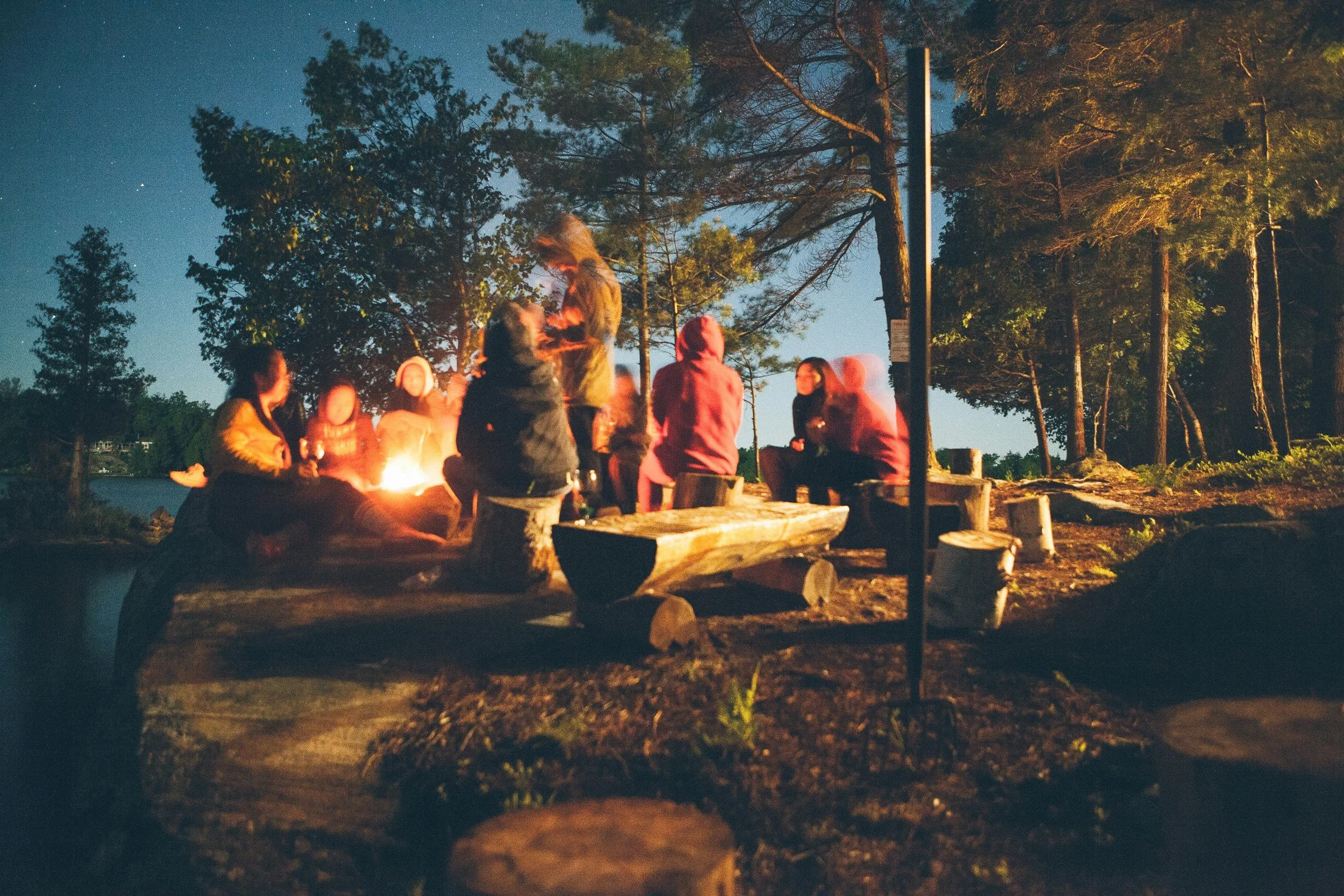
3. Camp Somewhere — Anywhere
National park? Great.
Backyard? Also great.
The goal is not luxury camping perfection. The goal is novelty, discomfort, problem-solving, and memory formation.
Children benefit enormously from experiences that slightly disrupt routine:
sleeping outside,
hearing unfamiliar sounds,
cooking differently,
getting dirty,
being cold for a moment,
figuring things out.
Backyard camping for younger children can feel every bit as magical as a wilderness trip.
Especially if flashlights, snacks, and stories are involved.
4. Let Kids Help Choose the Adventure
Ask your children to identify:
two hikes,
two bike rides,
or two nearby towns, lakes, diners, trails, or adventures they want to explore this summer.
Even young children gain confidence and ownership when they help shape family experiences.
The destination matters less than the process:
researching,
anticipating,
planning,
packing,
navigating,
and feeling part of something larger.
Adventure becomes more meaningful when children help author it.
5. Pick a Summer Book Series
Shared stories create shared language within families.
Find a developmentally appropriate series and commit to reading together this summer:
Harry Potter
Nancy Drew
The Wild Robot
Percy Jackson & the Olympians
The Chronicles of Narnia
Summer reading should not always feel like school compliance.
Sometimes books become part of childhood identity itself.
6. Create “Always Available” Play
One underrated parenting strategy: make good play frictionless.
Children often gravitate toward whatever is easiest and most visible.
Consider creating spaces where analog play is constantly available:
a cabinet full of outdoor balls and games,
card games on the kitchen counter,
accessible art supplies,
a slackline,
a ninja line,
badminton,
spikeball,
cornhole,
sidewalk chalk,
a hammock,
scooters,
jump ropes,
or bins of fort-building materials.
Children are more likely to play when play does not require permission, setup, or complicated logistics.
7. Create a Rotating Playdate System
Many families want more free play and community connection — but no single family wants to host constantly.
Solve this collaboratively.
Create a rotating structure:
one family hosts Monday,
another hosts the next week,
another handles the following week.
Think of it almost like a progressive dinner for childhood.
Kids build consistency and familiarity. Parents gain breathing room. Community becomes sustainable instead of exhausting.
And importantly: not every gathering needs to be curated entertainment.
Children are often happiest when adults simply provide space and snacks.
8. Normalize Healthy Risk
Summer should include scraped knees, climbing trees, getting lost for a few minutes, trying difficult things, and learning capability.
Modern childhood often over-prioritizes optimization and safety at the expense of confidence-building experiences.
Outdoor play naturally introduces productive forms of risk:
balancing,
climbing,
navigating,
building,
negotiating,
exploring,
adapting.
Children develop resilience not by avoiding all discomfort — but by learning they can handle manageable discomfort.
9. Leave Space for Boredom
Not every hour needs enrichment.
Boredom is often the bridge to creativity.
When children are not constantly entertained, something important happens:
they invent,
build,
wander,
negotiate,
create games,
and develop internal motivation.
Some of the best summer moments emerge from:
“There’s nothing to do.”
Try resisting the urge to immediately solve that problem.
10. Protect Summer Evenings
There is something almost sacred about summer evenings:
long light,
slower schedules,
bike rides,
sprinklers,
neighbors outside,
fireflies,
late basketball games,
cool air after heat.
Protect those moments when possible.
Not every evening needs to end with separate screens in separate rooms.
Sometimes the best thing a family can do is simply remain outside a little longer.
At PlayFree, we believe childhood does not need to be perfectly optimized to be deeply meaningful.
Children need adventure.
They need independence.
They need friendships.
They need boredom.
They need stories.
They need risk.
They need community.
They need the outdoors.
They need time to become themselves.
And summer — maybe more than any other season — gives us the opportunity to protect those things.