
We have long understood that observation is one of the most powerful forms of learning. We do not simply acquire knowledge through instruction; we acquire it by watching other people tinker, perform, practice, and succeed. Albert Bandura's work on social learning demonstrated that much of human development occurs through observation, imitation, and practice. We watch someone perform a task, build an internal model of how it is done, attempt it ourselves, receive feedback, and gradually improve.
We watch someone perform a task, build an internal model of how it is done, attempt it ourselves, receive feedback, and gradually improve.
Heck, YouTube is a DIY fan favorite with home projects.
This process is remarkably efficient because it allows us to benefit from another person’s knowledge. A young skier becomes more confident by following an experienced skier down the mountain. A novice basketball player develops by practicing alongside more skilled teammates. More importantly, observing another helps to normalize behavior. We’ve all been at the awkward party where we look for “allies” to eat the first appetizer.
Students learn not only from teachers but from classmates who demonstrate different ways of solving problems, communicating ideas, or responding to challenges. Observation strengthens both cognitive learning and social-emotional development because it teaches not only what to do, but how to think, persist, collaborate, and recover from mistakes. It’s from other people where we – as children and later as adults – learn to and continue to “read the room”.
Social media has not changed our natural proclivity to learn through observation. In fact, it’s amplified this “learning”.
Instead of observing “real life”, we observe carefully selected moments. Instead of witnessing the full process of growth, we see polished outcomes. The developmental machinery of observational learning continues to function exactly as it always has, but it is now processing information that is incomplete, curated, filtered, and optimized for attention rather than accuracy.
When adolescents repeatedly encounter images of perfect bodies, constant social activity, effortless achievement, or perpetual happiness, those examples become the reference points against which they evaluate their own lives.
The observational system that once helped young people develop competence can instead cultivate unrealistic expectations, chronic comparison, and the persistent feeling that everyone else is somehow doing better.
Research on social comparison and fear of missing out (FOMO) suggests that this constant exposure contributes to increased anxiety, loneliness, body dissatisfaction, and perfectionistic thinking among adolescents. The concern is not simply that young people compare themselves with others; comparison has always been part of healthy development. The concern is that today's comparisons are based on an unprecedented volume of carefully curated representations rather than authentic lived experience.
This same developmental process extends beyond adolescence. Parents are immersed in the very same observational environment, and many experience similar distortions in their understanding of what family life should look like.
Parents have always learned from one another, too. Seeing another family camping together might inspire more time outdoors. Watching another parent encourage a child's independence can offer new ideas for raising resilient children. These forms of observation strengthen communities because they are rooted in real relationships and realistic expectations.
Social media changes that equation. Parents are no longer comparing themselves with a handful of families they know well; they are observing hundreds of families whose lives have been selectively presented. The result is not simply inspiration but an expanding perception of what "good parenting" requires. Children appear to excel simultaneously in academics, athletics, music, travel, leadership, and service. Family calendars seem endlessly full of enriching experiences. Birthdays become productions. Vacations become performances and ubiquitous. Achievement appears constant.
The power of observation resides in reflection and internalization. When parents and children observe social media lives, the automatic reflection is, “Am I or is my family living a life worthy of daily social media updates?”. The answer, of course, is “no”. No one is.
But the seedling of comparison, evaluation, FOMO, etc. has been planted.
Over time, these observations subtly reshape expectations. Parents begin asking whether their child should be enrolled in another sport, another camp, another lesson, another opportunity - not because their child needs it, but because repeated exposure has altered their perception of what is typical.
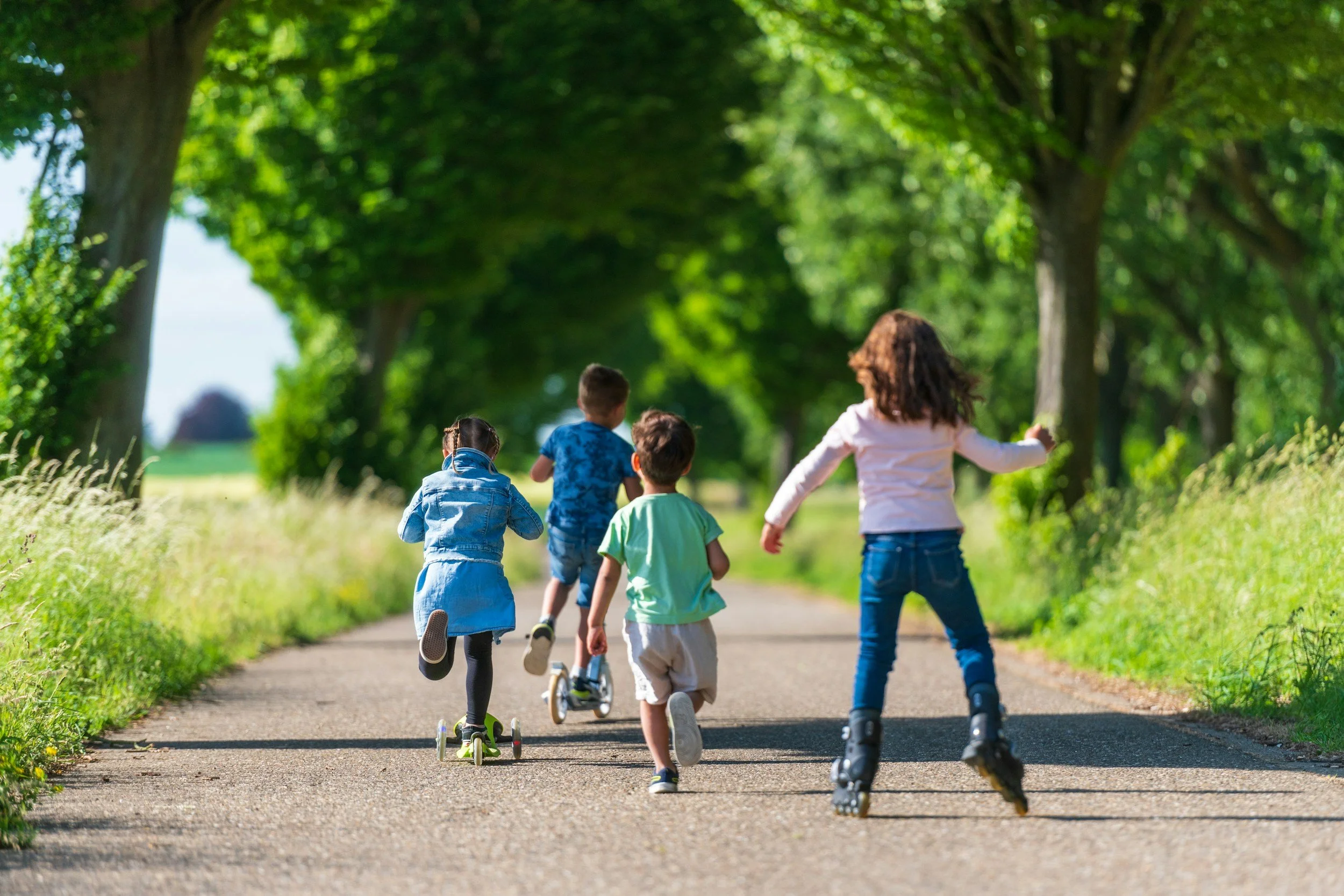
Just remember, boredom isn’t posted. Feral play isn’t photographed. Reading won’t prompt “likes”. And yet, these are equally (and maybe more) important…
This is one of the quiet consequences of social media that receives far less attention. The technology has not weakened one of humanity's greatest strengths in learning. Rather, it has supplied that strength with a distorted curriculum. We continue to learn by watching others, just as we always have. The question is whether what we are watching reflects reality or merely its most carefully edited moments.
For children and adults alike, healthy development depends on observing lives that are whole rather than curated. We need opportunities to witness effort alongside achievement, disappointment alongside celebration, and ordinary days alongside extraordinary ones. It is those complete stories, not highlight reels, that teach us what growth actually looks like.