
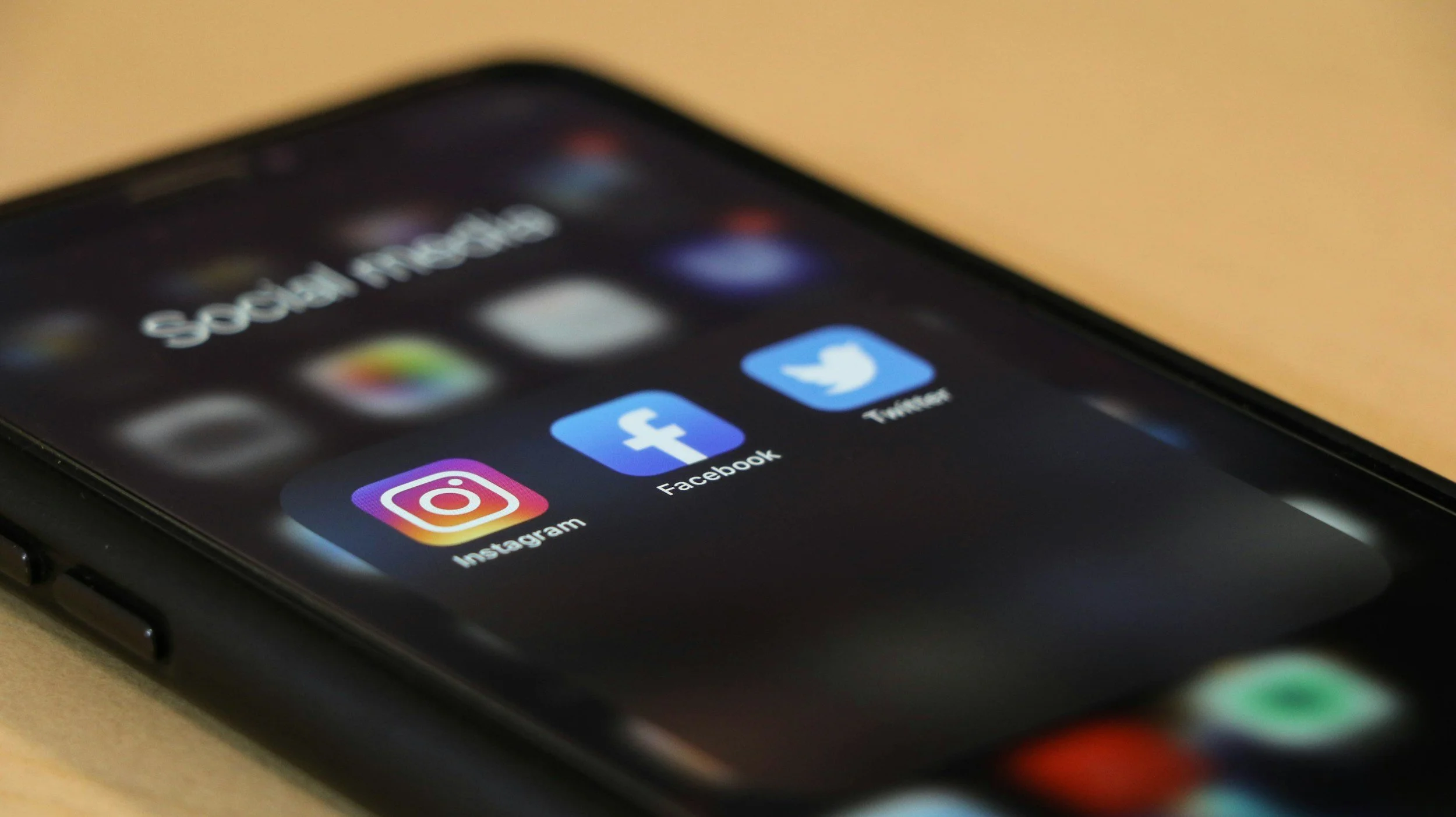
The recent discussion around Australia’s under-16 social media restrictions, as outlined in a New York Times report, reflects a familiar policy instinct: If something is harming children, "ban it!".
New York Times article on Australia under-16 social media ban
The intention is understandable. The concerns about attention, mental health, and algorithmic engagement are real. But a closer read of this kind of intervention reveals a societal pattern we’ve seen before - bans alone rarely hold in any meaningful or lasting way when they are not paired with a strong, visible alternative.
Not because enforcement is impossible in theory, but because childhood does not organize itself around restriction. It organizes itself around attraction. When one channel is removed, the underlying need for connection, identity, belonging, stimulation does not disappear. It shifts.
This is where many well-intentioned policies quietly weaken. They focus on what to take away, while leaving the “toward what?” question underdeveloped. Without a compelling answer to that question, responsibility tends to drift outward to platforms, parents, schools, and enforcement systems that were never designed to carry it alone.
We’ve seen versions of this across history. Limiting a behavior without building a more desirable alternative often produces displacement rather than resolution. The behavior adapts. The system routes around the constraint.
The deeper issue is not access. It is "attraction".
What are children being meaningfully drawn toward?
Because if social media is currently serving the roles of connection, identity, and belonging, then restriction alone cannot replace those functions. It only removes one expression of them.
This is where the distinction between “don’t do this” and “do this instead” becomes decisive. The former is control. The latter is culture.
And culture is what actually shapes behavior over time.
Now, an important distinction is between "societal bans" and restrictions at home and bans at schools. The movement to wait until 16 for smartphones and social media and the recent, burgeoning efforts to ban telephones at home have proven to be hugely successful as they are controlled environments and the absence of social media or a phone is purposefully replaced with in-school activity or at-home value/commitment against social media.
Children don’t follow absence. They follow presence. They follow what is socially reinforced, visibly valued, and repeatedly experienced with others.
That is why efforts like PlayFree matter in a way policy alone cannot match. The premise is not anti-technology. It is pro-alternative. It focuses on making play, movement, and real-world friendship more socially compelling than passive, algorithmic engagement.
Not by banning screens, but by inverting peer pressure—so that what feels “normal” and desirable among peers is not constant digital immersion, but shared, embodied, unpredictable human interaction.
Because “don’t use social media” is not a culture. But “this is what we do together instead” can be. The NY Times article clearly has a chosen orientation away from social media and towards friendship, outdoor play, community, etc., and it does "work".